

Master Systems Integration
One party accountable for making every system in the building work as one.
OKTO acts as Master Systems Integrator on critical estates: hospitals, custodial buildings, data centres, and the difficult projects where delivery really matters. We have integrated building systems for 34 years on some of the most demanding buildings in the UK. Our offsite lab, delivery method and senior team remove integration risk before it reaches site.
The role
A Master Systems Integrator is the one party accountable for making a building's technical systems work together. The RIBA Smart Building Overlay describes the role as making sure all systems communicate properly, that the information is accessible and usable, and that the software layers for integration, aggregation and communication are built and handed over.
On most projects nobody holds that role. Building management, lighting, power, fire, medical gas, security, audio visual and networks arrive from separate contractors with separate commissioning sheets, and the first time anyone finds out whether they work together is on site, late, with the programme already under pressure and the subcontractors pointing at each other.
Appointing an MSI early is the way to avoid that. Appointing OKTO is the way to have it done by people who have been doing it since before the role had a name.
What we deliver
- An integration architecture agreed at design stage, not discovered at commissioning: which systems, which protocols, which points, who owns what, and what “working” means for every interface. We write it down, and we are accountable to it.
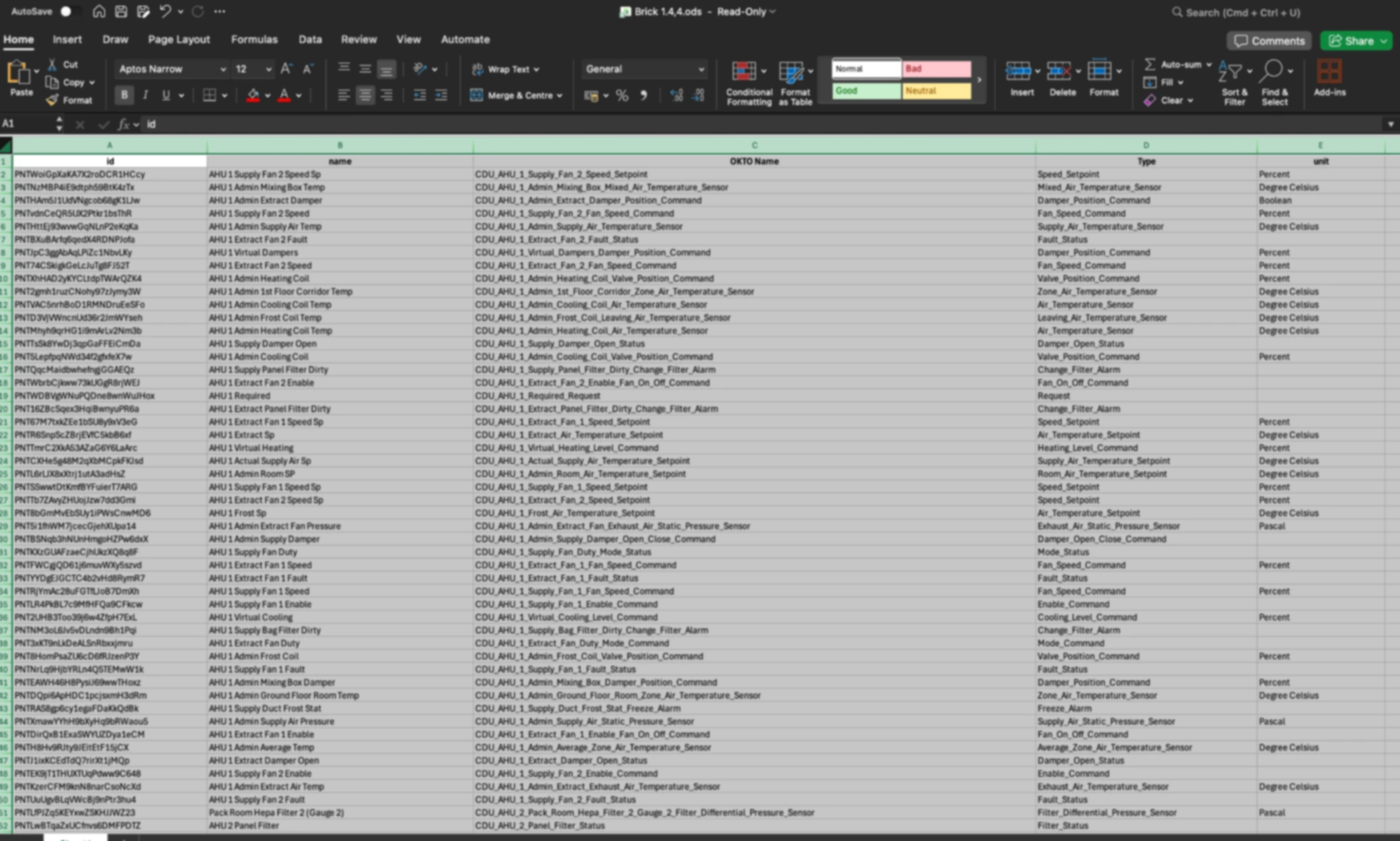
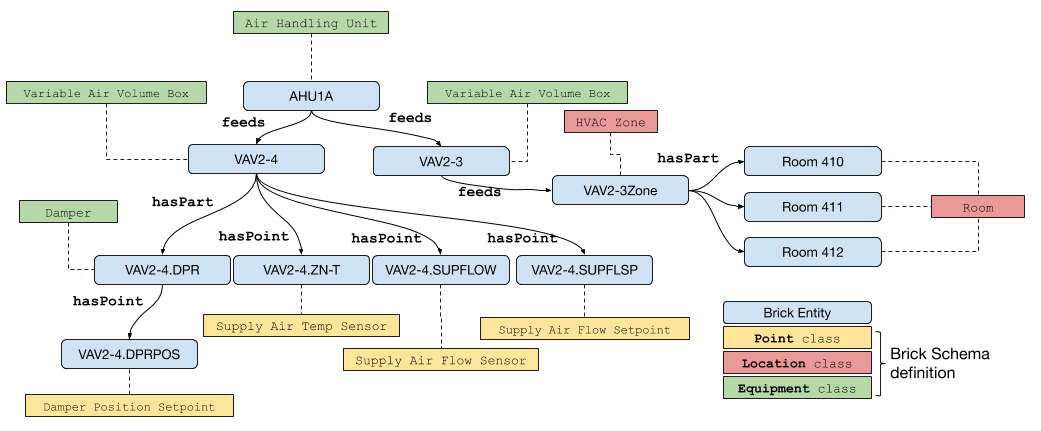
- A data foundation that is named, structured and usable: every point tagged to a common schema, every reading traceable to its source, so the data belongs to the estate and not only to the vendor who installed the system that produced it.
- Offsite integration and commissioning at OKTOLabs, our integration lab, where the interfaces are built, tested and proven before they reach site. The integration problems are solved in the lab. Onsite commissioning becomes onsite optimisation.
- A verified operational model: every integrated system represented in one accountable data foundation, handed over working on the day of practical completion.
- One point of accountability through construction and into operation. A senior director on every major project. The specialist contractors keep their scope; OKTO owns the joints between them.
- Vendor independence. We integrate what the estate has and what the specification calls for. We do not require anyone to buy a particular controls platform to get a working building.
Who it is for
Main contractors who want integration to work at practical completion, fewer bodies on site during commissioning, and a defects period that does not eat the margin. M&E contractors who want one accountable owner of the digital environment instead of five subcontractors pointing at each other. Estates directors who want the building they were promised, with the data in a form they can use.
And then
Most Master Systems Integrators stop at the screen. That is the specification, and it is a fair place to stop. It is not where OKTO stops.
Once every system is on one screen and the data underneath it is right, the estate has something most estates never get: a foundation that can be built on. The screen tells you what is happening. It does not tell the person in charge what it means — can this ward open, can this wing unlock, do we defer the test in Hall 3 — and those decisions are still made on the phone, on partial information, with an engineer translating in the background.
CIDE-OS is the operating system OKTO built for that gap. CIDE-OS translates live operational data into the language of consequence — decision-grade outcomes, not raw alerts. It reads from the integrated systems, writes to nothing, and keeps the evidence one click below. The logic is deterministic: the same inputs produce the same sentence every time, and every sentence can be traced back to the readings and the rules that made it. It is not generative AI, and on a critical estate that is the point.
No other integrator offers it, because no other integrator built it. It is the reason to have OKTO do the integration: the foundation is laid by the people who know exactly what will be built on it.
How the two fit
Master Systems Integration is delivered as part of the construction contract, at the stage the RIBA Overlay puts it, and it is complete at handover. It stands on its own and it is worth buying on its own.
CIDE-OS is what the operator runs above it, from handover onward. It is optional. It is also the difference between an estate that reports and an estate that can explain itself.
Where this applies
Healthcare estates, including new-build programmes where the integration architecture decided on the first scheme will be inherited by every scheme that follows. Custodial estates, where a building fault does not degrade a service but collides with the fact that the people affected cannot be moved. Data centres, where power remains the leading cause of impactful outages and the severity of an incident usually lives in the combination of factors, not in any single alarm. In each case the integration work is the same discipline; only the consequence of getting it wrong changes.
When to talk to us
Early. The Overlay places the MSI at the design stages, and that is where the integration architecture is cheapest to get right and most expensive to get wrong. If you are a trust estates director, a Tier 1 preconstruction lead or an M&E contractor who has been told the project needs an MSI, we are happy to explain the role, and what it can lead to, before we talk about our part in it.
Philip Dowds, Managing Director · philip.dowds@oktotechnologies.co.uk
Capabilities
- Integration Architecture
- Data Foundation
- Offsite Integration & Commissioning
- Verified Operational Model
- Vendor-Independent Integration
- Single Point of Accountability
Start conversation
Tell us what has to work, and the person accountable for the right discipline will respond.