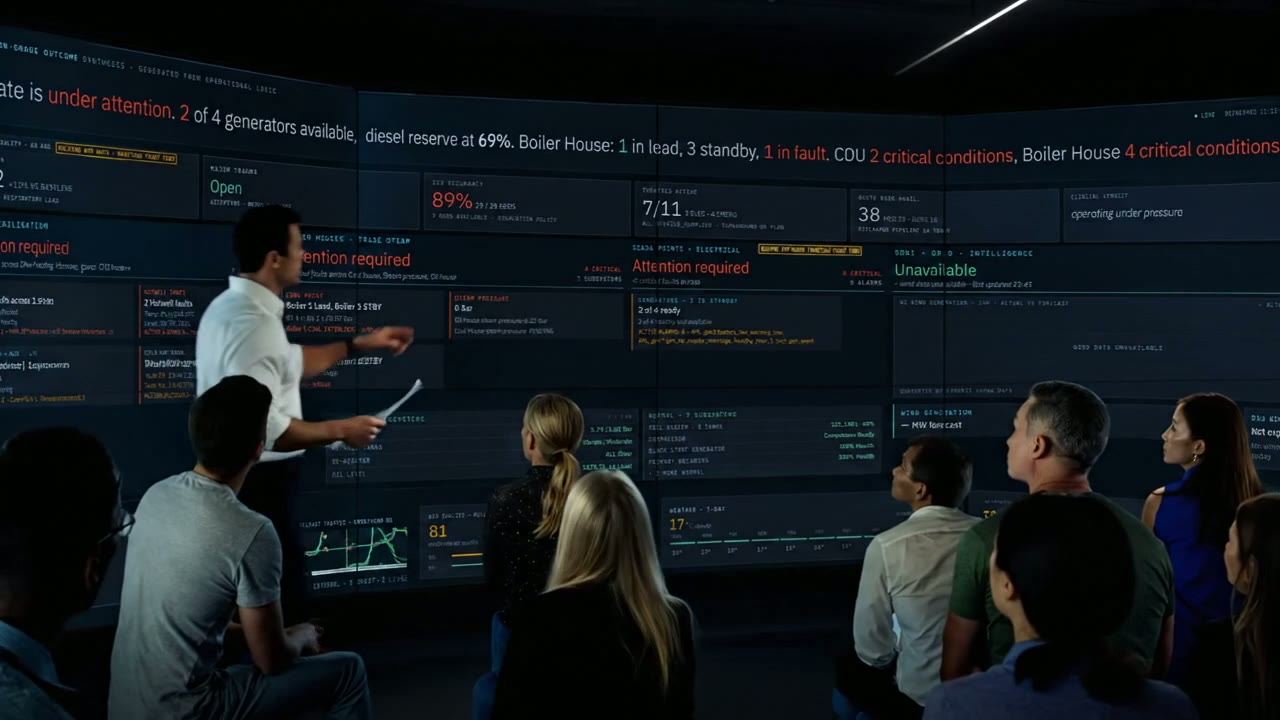

Hundreds of critical systems, a fraction of the visibility
Chillers, boilers, generators, medical gas, fire systems. All of it critical. All of it in separate rooms.
3 min read
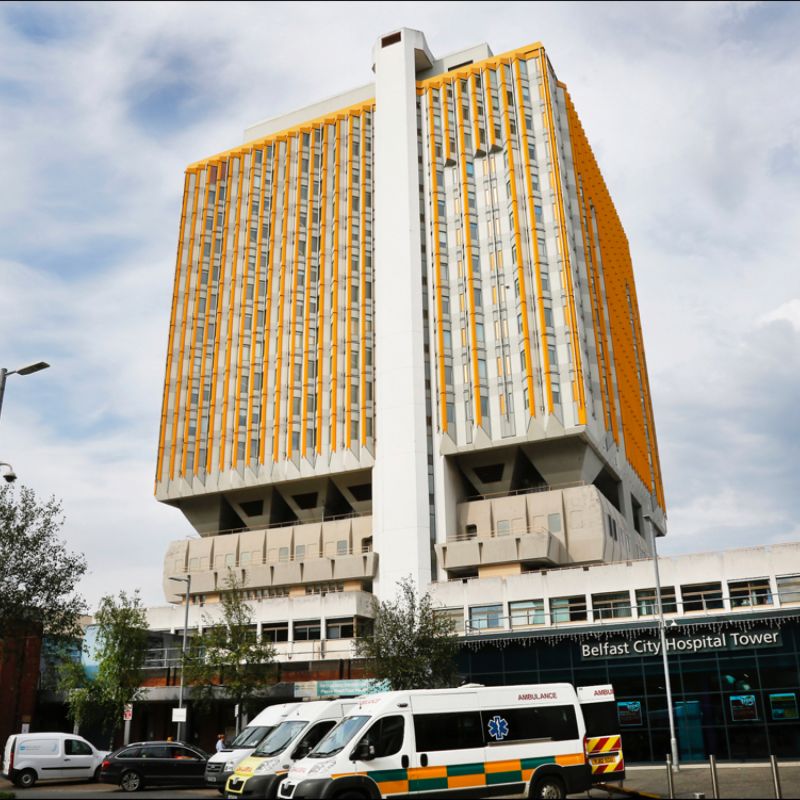
Hospital estates run on hundreds of critical systems. Chillers, boilers, generators, medical gas, fire systems. All of it critical, all of it running somewhere in the building right now.
The problem is that these systems sit in separate rooms, running on separate software, monitored by separate people. There is no unified view. If the Director of Estate Operations wants to know the status of the chiller plant, they ring someone. If the board asks a question, they cannot always answer it.
That is not a failure of the people. It is a failure of the infrastructure those people have been handed. The tools to give estates teams full visibility across every critical system have not been properly integrated in most places yet.
By the time an alert reaches the right person, the window to manage it has already closed.
The technology to fix this exists. The integration has not happened yet in most places. That is the gap we work in.
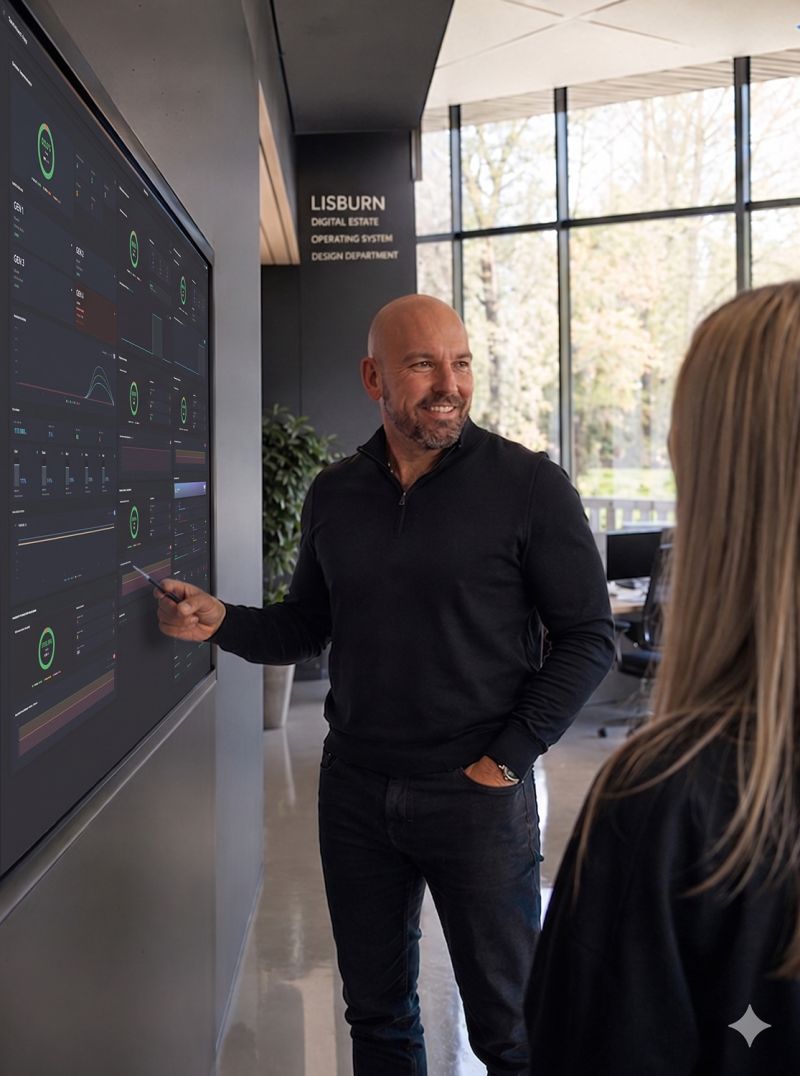
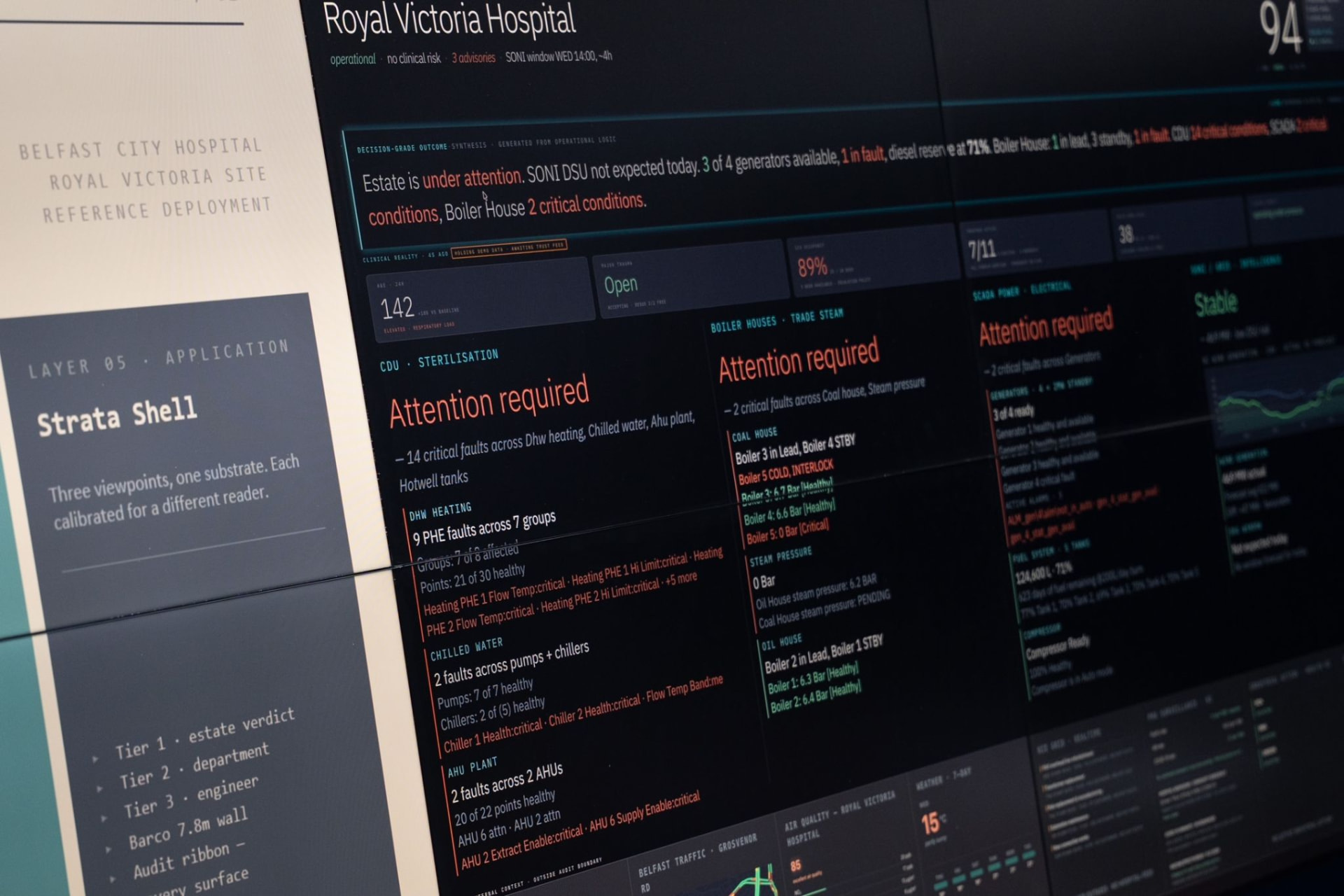
— Real-time visibility across every critical system on the estate, in one place.
— Engineering data translated into clinical readiness a board can actually understand.
— Predictive maintenance that tells you a system is going to fail before it does.
“That is not a failure of the people. It is a failure of the infrastructure those people have been handed.”
If you run a critical estate and any of this sounds familiar
CIDE-OS translates live operational data into decision-grade language of consequence.
Talk to us about your estate