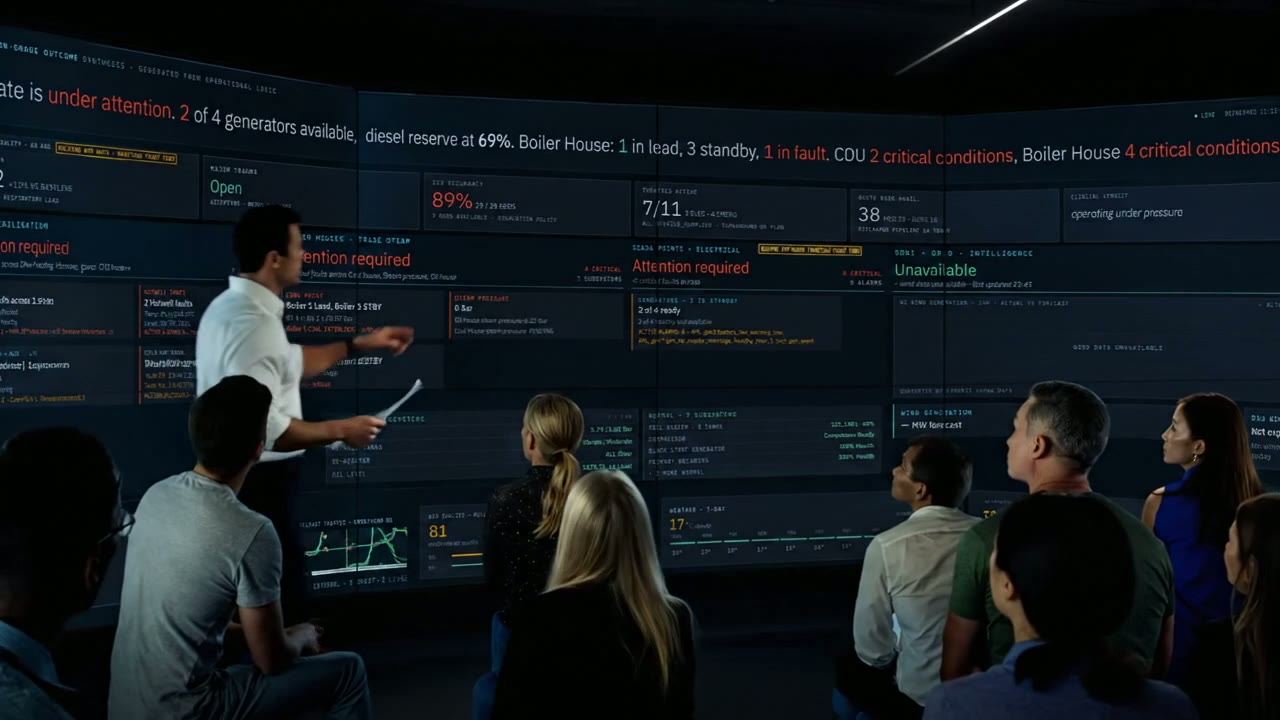

Five things that make digitising a legacy estate work
Decades of accumulated systems, built at different times, by different people, none designed to talk to each other.
4 min read
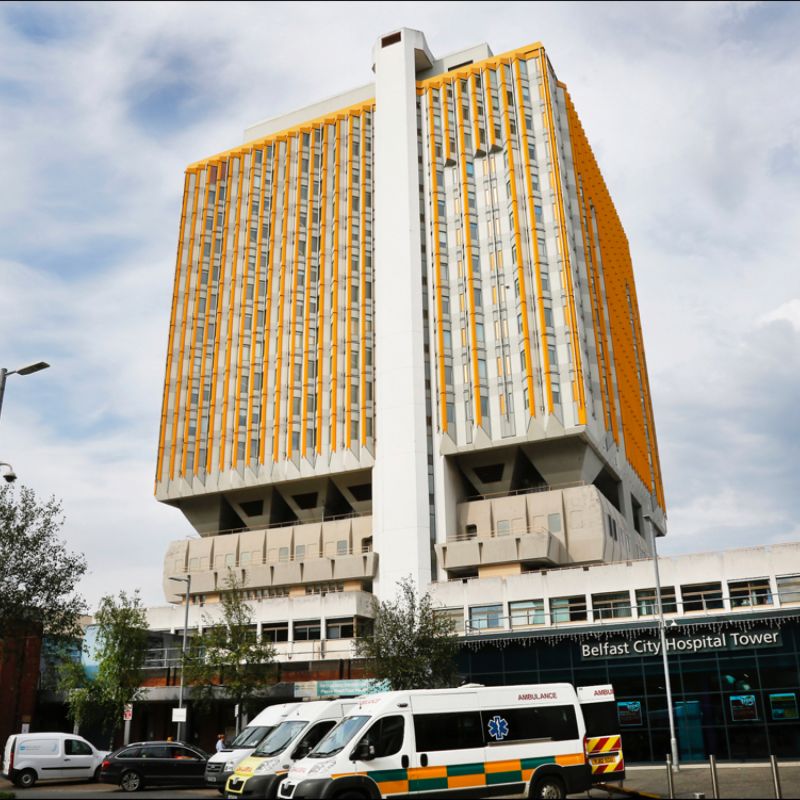
This was not a new build. It was decades of accumulated systems, built at different times, by different people, none of them designed to talk to each other. Hundreds of thousands of data points.
The assumption is that you cannot bring something like that into one place without ripping it out and starting again. You can. Here is how we are doing it.
1. Start with the question, not the technology. What does the person responsible for this estate actually need to know at the moment of decision? Everything we build comes from that answer.
2. Connect to existing infrastructure without replacing it. CIDE-OS gateways connect to existing systems in their native protocol — BACnet, Modbus, OPC UA, KNX — without disruption to live operations. No rip and replace.
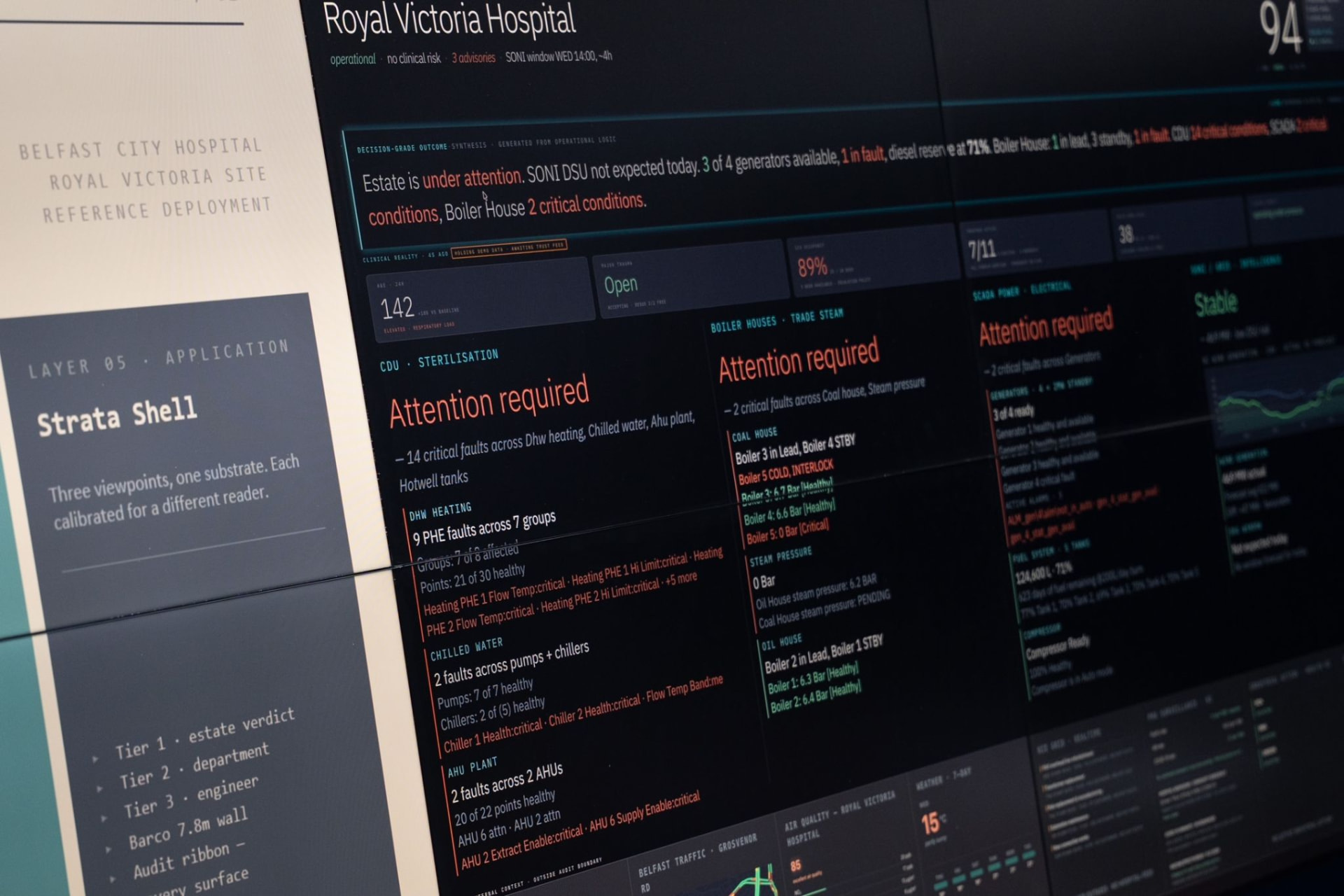
3. Translate data into decisions, not dashboards. A dashboard tells you what is happening. A decision-grade outcome tells you what to do about it. We build the translation layer most approaches skip.
4. Build for the role, not the system. Plain English statements produced for the person at the top, at the moment they need it, with the underlying evidence one click below.
5. Design it to scale from day one. Build the data foundation so the operating system can extend as the estate’s needs change.
Sometimes the answer is not more technology. It is a different approach: connect what already exists, verify the data and translate it for the person accountable for the outcome.
“Sometimes the answer is not more technology. It is a different approach.”
If you run a critical estate and any of this sounds familiar
CIDE-OS translates live operational data into decision-grade language of consequence.
Talk to us about your estate