
The translation gap
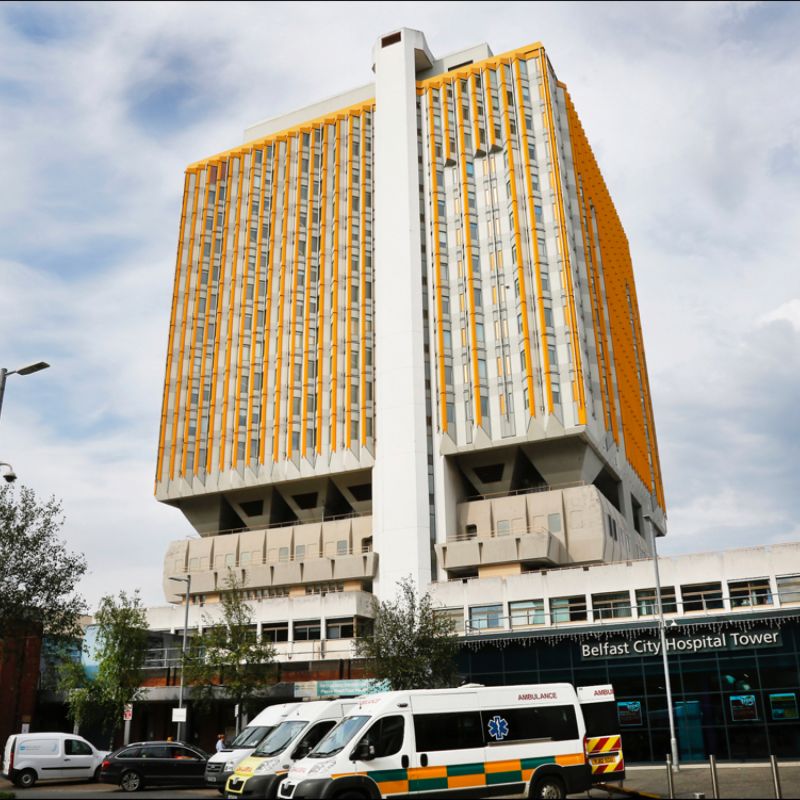
It is 13:24. The Head of Estates at a large NHS trust is in a meeting when his phone vibrates.
5 min read
It is 13:24. The Head of Estates at a large NHS trust is in a meeting when his phone vibrates. It is the on-call estates engineer. The grid operator has issued a demand-response instruction. Generators online at 15:00.
He ends the call and runs through what he knows. Diesel reserve low from last weekend. One generator out of service. Zero headroom if one trips. Severe cold forecast. Wards filling with flu admissions. A planned circuit shutdown later that week requiring the hospital to island fully on generators.
Accept the demand-response window and burn through fuel that may not be there when it is needed. Or refuse and take the regulatory penalty.
Seven facts. No single screen. The synthesis lives entirely in his head. Twenty-five minutes before the contractor needs confirmation.
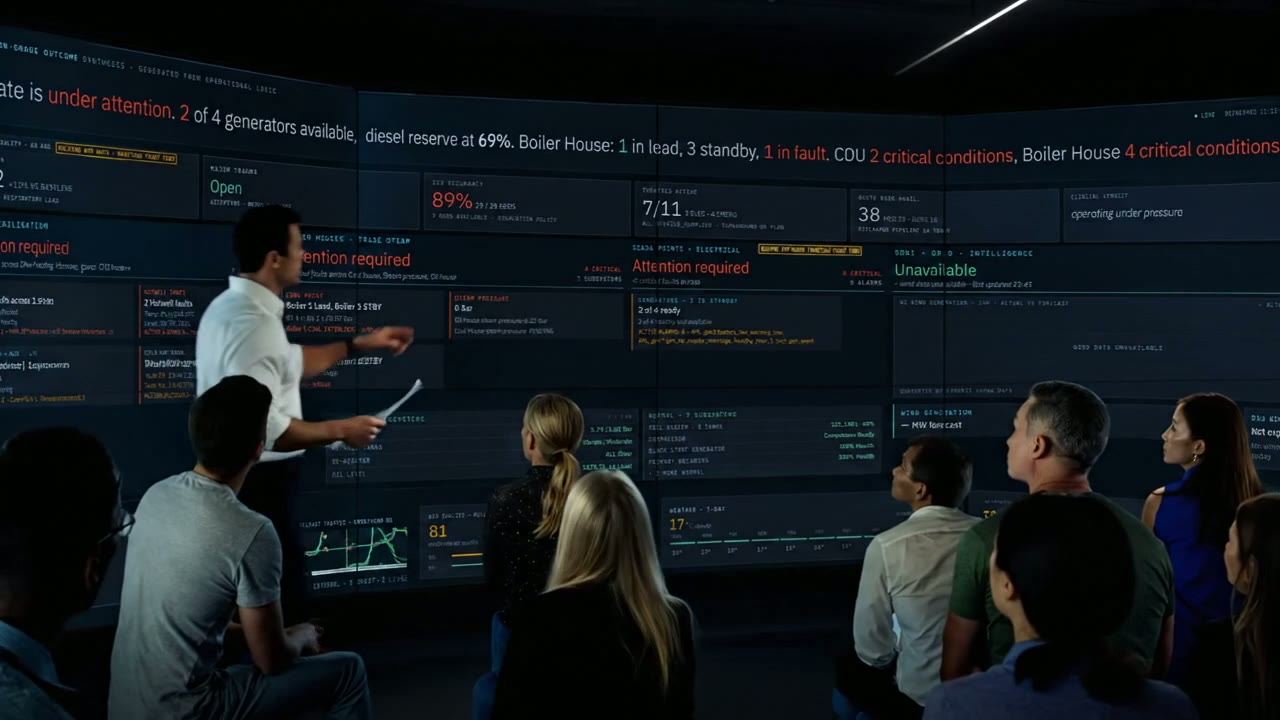
Consolidating data onto one screen solved the wrong problem. It put more data in front of people without translating what that data meant.
More data is more fog, not less. The actual problem is translating operational state into something an executive can act on.
This is the translation gap. It is why we built CIDE-OS.
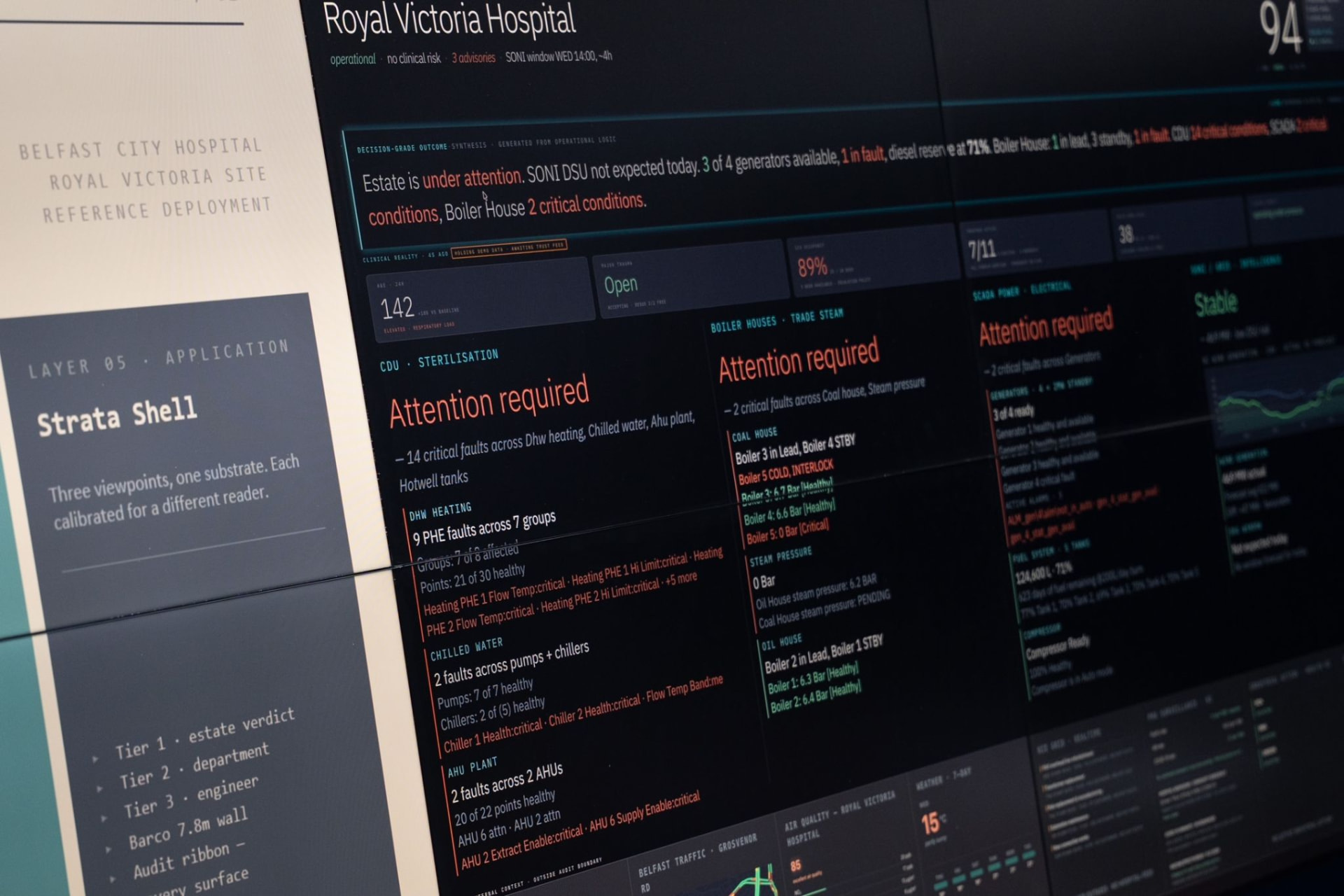
A conventional interface tells you what is happening. CIDE-OS sits above that pane and translates live operational data into decision-grade language of consequence.
That is the difference between another alert and an outcome a responsible person can act on.
“The dashboard is on the wall. The decision is happening somewhere else.”
If you run a critical estate and any of this sounds familiar
CIDE-OS translates live operational data into decision-grade language of consequence.
Talk to us about your estate